support@biotechpeptides.ca
In recent years, the quest for enhancing health, performance, and beauty has driven many individuals toward the world of peptides. As the demand grows, so does the convenience of purchasing these specialized compounds online. Whether you’re an athlete seeking performance improvements, a biohacker exploring longevity, or simply curious about peptide therapy, understanding how to buy peptides online safely and responsibly is crucial. This comprehensive guide aims to demystify the complex landscape of online peptide markets, equipping you with the knowledge to make informed decisions and access high-quality products that align with your goals.
Navigating the Online Peptide Market: A Comprehensive Guide
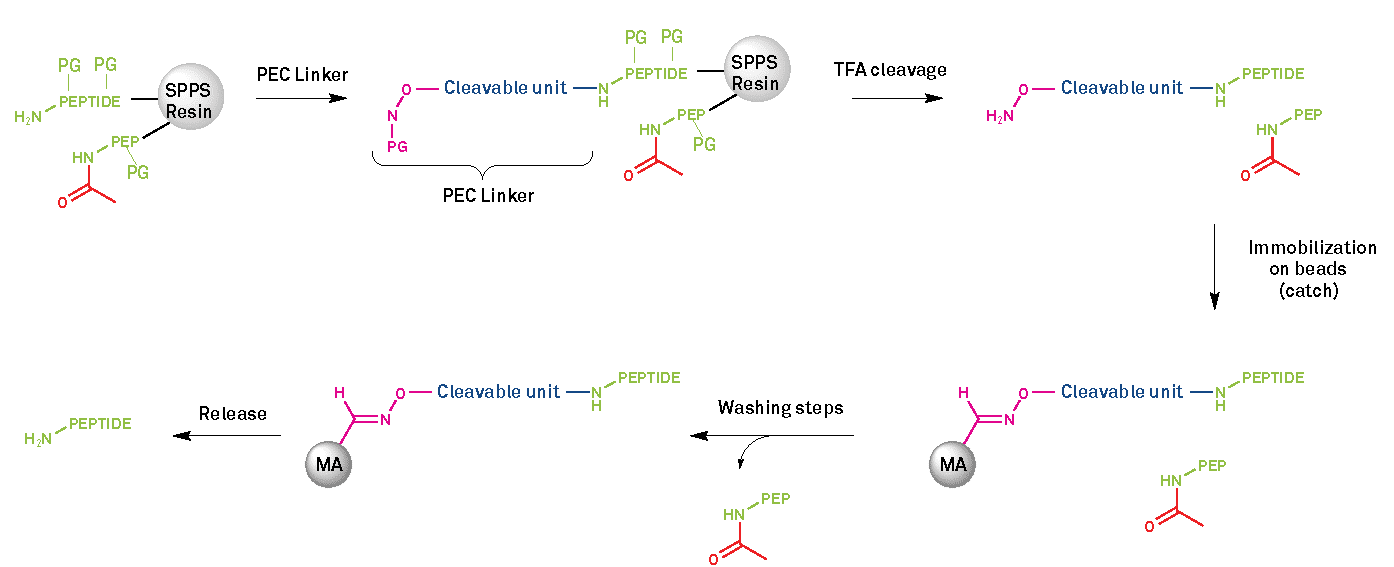
The online marketplace for peptides is vast, offering a variety of products ranging from research chemicals to supplements marketed for health benefits. Navigating this landscape requires a clear understanding of what peptides are, how they are manufactured, and the factors influencing quality and authenticity. A good starting point is identifying reputable sources, understanding the risks associated with unverified vendors, and recognizing the importance of transparency in production processes.
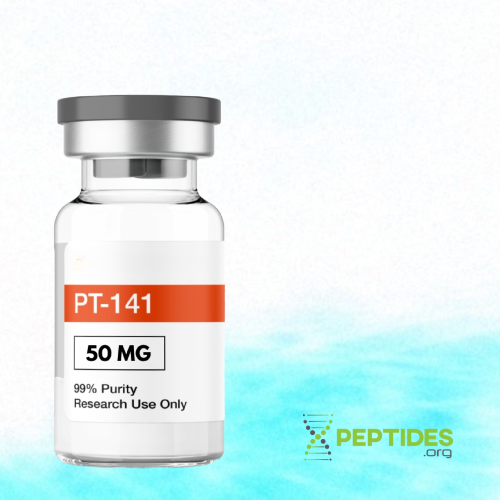
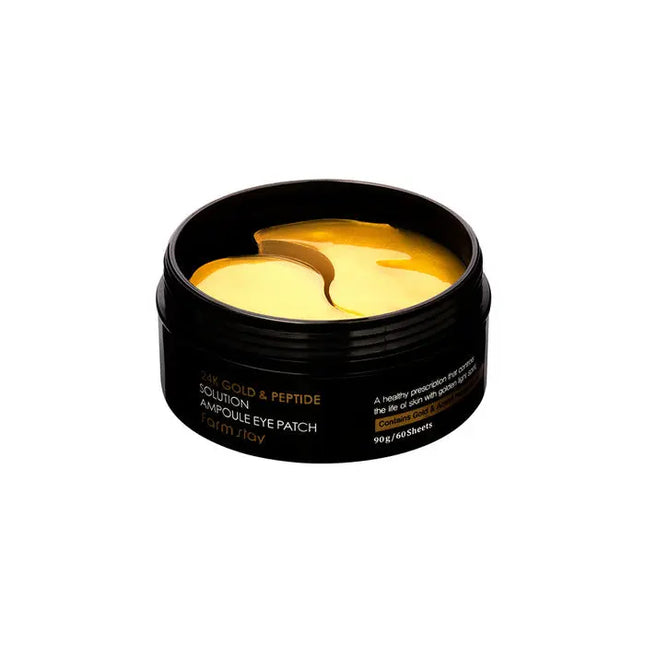
Furthermore, educating yourself on different types of peptides and their intended purpose can help narrow your choices. From growth hormone-releasing peptides (GHRPs) to cosmetic peptides like collagen boosters, there’s a broad spectrum to explore. The key is to approach the market with a critical eye, knowing that not all products are created equal. By researching vendor reviews, third-party testing, and ingredient transparency, you can significantly reduce the risks associated with buying peptides online.
Buying Peptides Online – Key Considerations and Safety Measures
When venturing into the online peptide market, safety and efficacy should be your top priorities. First and foremost, verify the legitimacy of the vendor. Look for detailed product descriptions, clear sourcing information, and customer testimonials. It’s essential to avoid suppliers who refuse to provide third-party testing results or transparency about their manufacturing processes, as these are red flags indicating potential quality issues.
Safety measures extend beyond choosing the right vendor. Always consult with a healthcare professional or a specialist in peptide therapy before making a purchase. Understand the proper dosage, storage requirements, and potential side effects associated with each peptide. Additionally, be cautious of extremely low prices, as they often signal compromised quality or counterfeit products. Adopting these safety measures ensures that your investments in peptides are both effective and safe.
Legality and Regulations – What You Need to Know Before Buying Peptides Online
Understanding the legal landscape surrounding peptide purchase is vital before entering the market. Regulations vary significantly by country, with some regions classifying peptides as controlled substances, while others permit their sale strictly for research use. In many cases, the legality depends on the intended use—personal versus research—and whether the product is labeled accordingly. Failing to adhere to local laws can lead to legal penalties, product seizures, and health risks stemming from unregulated compounds.
Moreover, regulatory standards for manufacturing and quality control are inconsistent across vendors. Some are licenced pharmacies complying with strict regulations, while others operate in a legal gray area. Knowing the legal status helps you avoid illegal or unverified products, which could be dangerous. Always research the specific laws in your jurisdiction and prioritize purchasing from vendors who clearly state the intended use of their peptides and follow all applicable regulatory guidelines.
Identifying Reputable Online Peptide Vendors – Red Flags and Best Practices
Choosing a trustworthy peptide supplier involves keen judgment and thorough research. Reputable vendors typically provide comprehensive product datasheets, third-party testing results, and transparent sourcing information. Look for customer reviews and feedback from independent sources, as these provide insights into product quality and customer service. A reliable vendor will also have clear contact details and responsive customer support, indicating professionalism and commitment to quality assurance.
Be wary of red flags such as vague product descriptions, lack of third-party verification, generic branding, overly aggressive marketing tactics, and prices that seem too good to be true. These are often signs of counterfeit or substandard products. Best practices include verifying vendor credentials, requesting laboratory analysis reports, and purchasing smaller quantities initially to assess quality. Patience and due diligence are essential in building a safe and effective procurement experience.
The Science Behind Peptides – Benefits, Potential Risks, and Responsible Use
Peptides are short chains of amino acids that play vital roles in biological processes, making them attractive for therapeutic, performance, and cosmetic applications. They can stimulate growth hormone release, improve skin elasticity, enhance muscle mass, and support recovery. However, despite their promising benefits, peptides are not without risks. Potential side effects include immune responses, hormonal imbalances, and allergic reactions, especially if used improperly or without medical supervision. Responsible use is critical to minimize adverse effects and maximize benefits.
A deeper understanding of peptide science underscores the importance of dosing, timing, and therapeutic context. Responsible use involves adhering to recommended guidelines, conducting thorough research, and consulting healthcare professionals. Misuse or self-diagnosis can lead to complications, underscoring the need for a cautious and educated approach. As the science evolves, ongoing research continues to uncover new applications and safety protocols, emphasizing the importance of staying informed and ethical in peptide use.
Comparing Peptide Suppliers – Quality, Purity, and Third-Party Testing
The quality and purity of peptides are paramount for safety and effectiveness. Comparing suppliers involves scrutinizing their manufacturing standards, ingredient sourcing, and testing procedures. Reputable vendors often have their products analyzed by independent laboratories, with certificates of analysis (COAs) readily available. These documents confirm the absence of contaminants, proper potency, and adherence to quality standards.
In addition to third-party testing, pay close attention to supplier reputation, customer service, and review history. High-quality peptide vendors usually invest in good manufacturing practices (GMP) and follow strict protocols to ensure product consistency. Low-quality or counterfeit products not only diminish results but can also pose serious health risks. When comparing suppliers, prioritize transparency, third-party verification, and adherence to quality certifications. Doing so significantly enhances your chances of obtaining safe, pure, and effective peptides.
Conclusion
Navigating the world of buying peptides online requires a blend of knowledge, diligence, and safety awareness. From understanding the science behind peptides to selecting reputable vendors and respecting legal regulations, each step is crucial for a successful and safe purchase. Remember that high-quality products backed by third-party testing and transparent sourcing are worth the investment, and professional guidance is invaluable for responsible use. By approaching the online peptide market thoughtfully, you can unlock their full potential safely and effectively, making your health and performance goals more attainable.
English language.
peptides Canada, buy peptides online, peptide therapy Canada, Sarms Canada, research peptides Canada, BPC 157 Canada, CJC 1295 Canada, GHRP 6 Canada, MK 677 Canada, peptide injections Canada, anabolic peptides Canada, peptide supplements Canada, buy peptides Canada, peptide research Canada, online peptides Canada