support@biotechpeptides.ca
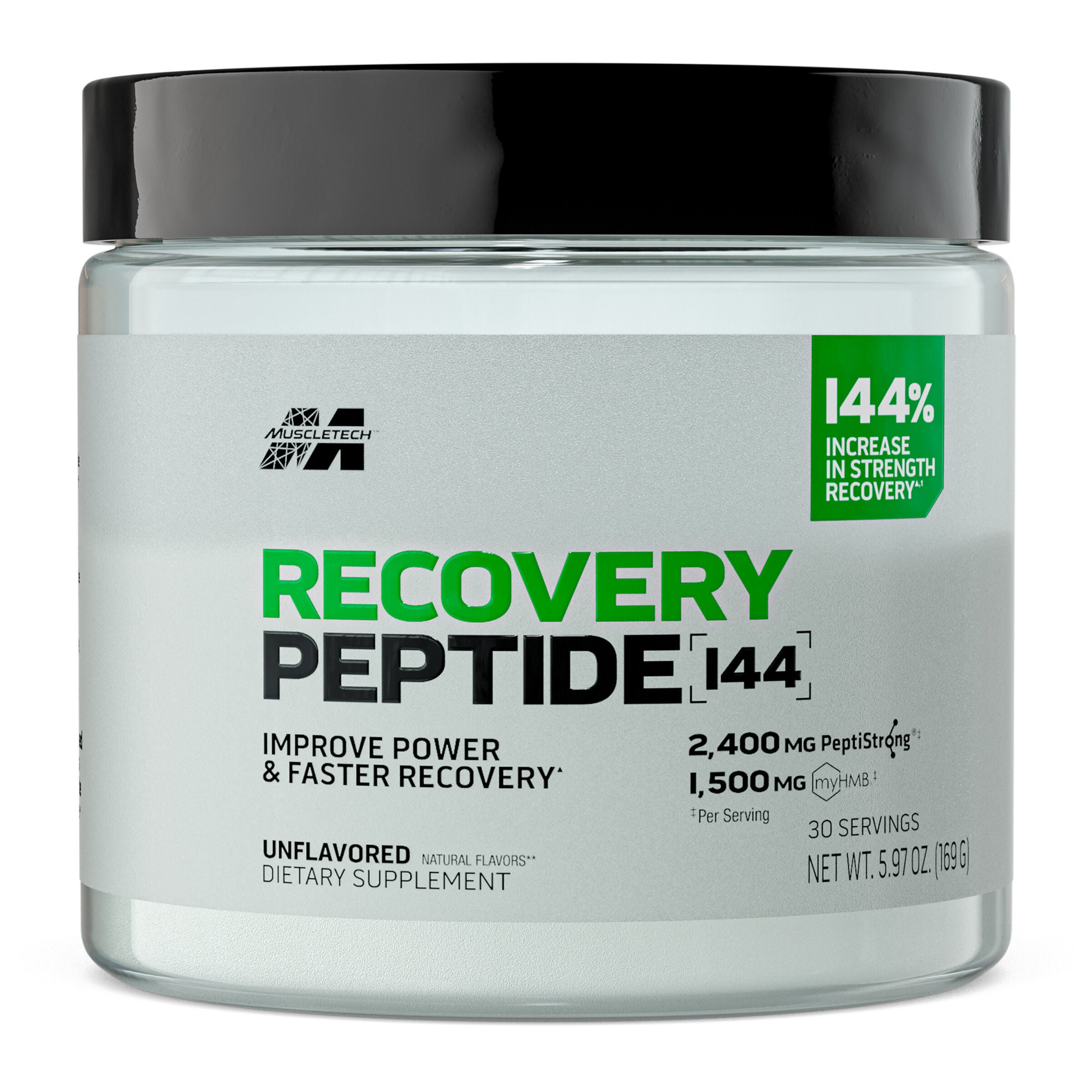
Peptide supplements are rapidly gaining popularity within fitness, anti-aging, and health circles. These short chains of amino acids are renowned for their specific biological functions, which can support muscle growth, enhance recovery, improve skin health, and promote overall wellness. As these supplements become more mainstream, understanding their mechanisms, benefits, and proper use is essential for maximizing their potential safely. This detailed guide explores everything you need to know about peptide supplements—from their structure and functions to their scientific backing and legal considerations—helping you make informed decisions about integrating them into your health regimen.
Peptide Supplements: An Overview of Benefits and Uses
Peptide supplements are often celebrated for their potential to stimulate cellular processes that naturally decline with age or due to various health conditions. Users report benefits such as increased muscle mass, improved joint health, enhanced skin elasticity, and faster recovery from injury or intense workouts. These positive effects are mainly attributed to the peptides’ role in signaling pathways involved in growth hormone production, tissue repair, and immune regulation, making them particularly attractive to athletes, aging populations, and those seeking better health.
Beyond physical benefits, peptide supplements are also utilized for their neuroprotective properties and their ability to modulate inflammatory responses. As research evolves, the scope of their uses expands—from anti-aging therapies to cognitive enhancement—highlighting the versatility of these biological molecules. However, it’s crucial to recognize that their efficacy can vary depending on the type of peptide, dosage, and individual health status. Careful consideration, proper guidance, and scientific insight are essential to safely harness their full potential.
Understanding Peptide Structure, Function, and Supplementation

At their core, peptides consist of amino acid chains typically ranging from two to fifty residues, distinguished from larger proteins by their shorter length. The specific sequence and structure of these amino acids define each peptide’s unique function—whether stimulating growth hormone release, promoting collagen synthesis, or acting as signaling molecules in metabolic pathways. This structural specificity underpins the targeted approach of peptide supplementation, where select peptides are used to influence precise biological outcomes.
Supplementing with peptides involves more than just ingestion; it requires an understanding of their pharmacokinetics—their absorption, distribution, metabolism, and excretion. Many peptides are administered via injections to bypass digestive breakdown and achieve optimal bioavailability, although some forms are available orally. Personalizing dosage and timing is essential, as overdosing can lead to unintended effects, while inadequate dosing may render the supplement ineffective. Scientific research continues to clarify how we can optimize peptide therapy for safety and maximum benefit.
Peptide Supplements for Muscle Growth and Recovery: Scientific Evidence
One of the most compelling reasons for using peptide supplements is their potential to support muscle hypertrophy and accelerate recovery. Several peptides, such as BPC-157 and GHK-Cu, have demonstrated promising results in animal studies and emerging human trials. For instance, certain peptides stimulate the secretion of growth hormone and IGF-1—key regulators of muscle synthesis—leading to increased lean mass and improved strength. Additionally, peptides that enhance collagen production can contribute to faster tissue repair, reducing downtime after injuries or strenuous workouts.
Despite these promising findings, scientific consensus remains cautious. While anecdotal reports and preliminary studies are encouraging, larger, well-controlled human trials are still needed to establish standardized protocols and verify long-term safety. The complexity of peptide interactions within the body means that individual response varies widely. Therefore, users should approach peptide supplementation with a balanced perspective—recognizing the potential benefits while being mindful of scientific limitations and the importance of professional guidance.
Optimizing Peptide Supplement Use: Dosage, Timing, and Potential Side Effects
Maximizing the benefits of peptide supplements involves strategic planning around dosage, timing, and monitoring of side effects. Proper dosing often depends on the specific peptide, intended outcomes, body weight, and individual tolerance. For example, some researchers suggest smaller doses for general wellness, while athletes might require higher doses to support training recovery. Timing can influence efficacy; for instance, administering peptides that stimulate growth hormones is often most effective when aligned with sleep cycles or post-workout periods.
While peptides are generally considered safe when used responsibly, they can cause side effects such as redness at injection sites, hormonal imbalances, or allergic reactions. Long-term safety studies remain limited, emphasizing the importance of consulting healthcare professionals before initiating supplementation. Monitoring responses, adjusting dosages, and staying informed about emerging research are essential steps in ensuring safe and effective use. Educating oneself about potential risks helps users avoid adverse effects and develop a sustainable approach to peptide therapy.
The Legal Landscape of Peptide Supplements: Research and Regulatory Status
The legal and regulatory environment surrounding peptide supplements is complex and varies globally. In many countries, peptides intended for human consumption are marketed as research chemicals, lacking approval from regulatory agencies like the FDA or EMA. This status often means that peptides are sold without the same rigorous testing or quality control required for pharmaceutical drugs. Consumers must exercise caution—ill-fitting or counterfeit products pose health risks, including contamination or incorrect dosing.
Furthermore, ongoing research continues to shape policy and advocacy around peptides. Some peptides, such as those involved in hormone regulation, are tightly regulated or classified as controlled substances in certain jurisdictions. Others are available over the counter or online, often marketed with limited scientific backing. Recognizing the importance of legality and safety can help users avoid potential legal issues and health hazards. Staying updated on regulatory changes and sourcing products from reputable suppliers are critical steps toward responsible supplementation.
Comparing Peptide Supplements: Choosing the Right Option for Your Needs
With a wide array of peptides available, selecting the most appropriate supplement requires critical evaluation of your specific goals and health considerations. Different peptides target unique biological pathways—some promote muscle growth (e.g., GHRPs, Sermorelin), while others focus on skin regeneration (e.g., collagen peptides) or joint repair (e.g., BPC-157). Personal research, consultation with healthcare providers, and understanding the scientific evidence behind each option are vital in making an informed choice.
Moreover, factors like administration route, dosing schedule, affordability, and availability influence decision-making. For a beginner exploring peptide therapy, starting with well-studied and safer options under professional supervision is advisable. Comparing these options involves assessing their proven benefits, potential risks, and compatibility with your lifestyle. Tailoring your approach based on credible knowledge can help you unlock the benefits of peptide supplements while minimizing risks and aligning with your health priorities.
Conclusion
Peptide supplements represent an exciting frontier in health, fitness, and aging solutions—offering targeted biological benefits that can enhance muscle growth, recovery, skin health, and overall vitality. Their structure and function allow for precise intervention, but optimizing their use requires understanding dosage, timing, and potential side effects. As research continues to evolve, so does the legal landscape, underscoring the importance of choosing reputable products and staying informed. By carefully evaluating your needs and remaining cautious, you can effectively incorporate peptide supplements into your health regimen for safer, more impactful outcomes.
peptides Canada, buy peptides online, peptide therapy Canada, Sarms Canada, research peptides Canada, BPC 157 Canada, CJC 1295 Canada, GHRP 6 Canada, MK 677 Canada, peptide injections Canada, anabolic peptides Canada, peptide supplements Canada, buy peptides Canada, peptide research Canada, online peptides Canada