support@biotechpeptides.ca

In recent years, biotech peptides have emerged as a powerful frontier in biomedical research and healthcare, offering new possibilities for treatment, diagnostics, and personalized medicine. These short chains of amino acids, designed through sophisticated biotechnological methods, harness the biological activity of natural peptides while overcoming many limitations inherent in their natural counterparts. As the biotech industry continues to innovate at an unprecedented pace, the potential for biotech peptides to address complex health challenges is becoming increasingly clear, making them a cornerstone of the next generation of medical breakthroughs.
The Expanding Landscape of Biotech Peptides – An Overview
The landscape of biotech peptides is rapidly broadening, fuelled by advances in molecular biology, synthetic chemistry, and bioprocess engineering. Initially discovered through natural sources, these peptides are now primarily designed and manufactured using recombinant DNA technology and solid-phase synthesis, enabling precise control over their sequences and structures. This level of customization opens the door to creating peptides with enhanced stability, specificity, and potency, tailored for particular therapeutic or diagnostic roles. Additionally, the versatility of biotech peptides allows them to serve as hormones, enzyme inhibitors, antimicrobial agents, and more, which significantly broadens their application scope.
The remarkable growth of this field can be attributed to the increasing understanding of peptide biology and the demand for biopharmaceuticals with high efficacy and low toxicity. The integration of computational modeling and AI-driven design further accelerates the discovery process, allowing researchers to predict and optimize peptide functions before synthesis. As such, the biotech peptide sector is not just expanding in quantity but also advancing in sophistication, leading to innovative solutions for complex diseases such as cancer, diabetes, and neurodegenerative disorders.
Therapeutic Applications of Biotech Peptides – Current Status and Future Directions

Today, biotech peptides constitute a significant portion of the biopharmaceutical market, with several approved therapies and numerous candidates in clinical trials. These include peptide hormones like insulin and glucagon-like peptides for diabetes management, and antimicrobial peptides tackling resistant infections. Their therapeutic advantage lies in high target specificity and typically lower off-target effects compared to small molecules. Moreover, biotech peptides can be engineered for improved bioavailability and longer half-life, addressing traditional limitations associated with peptide drugs such as rapid degradation.
Looking ahead, the future of biotech peptides promises even more innovative applications. Researchers are exploring their use in targeted cancer therapies—where peptides function as delivery vehicles for cytotoxic agents—and in regenerative medicine, promoting tissue repair and cellular regeneration. Additionally, genetic engineering and synthetic biology are expected to generate personalized peptides based on individual patient profiles, making treatments more precise and effective. As more therapies receive regulatory approval, the clinical landscape will become increasingly dependent on biotech peptides, marking a transformative era in medicine.
Biotech Peptide Synthesis and Production – Innovations and Challenges
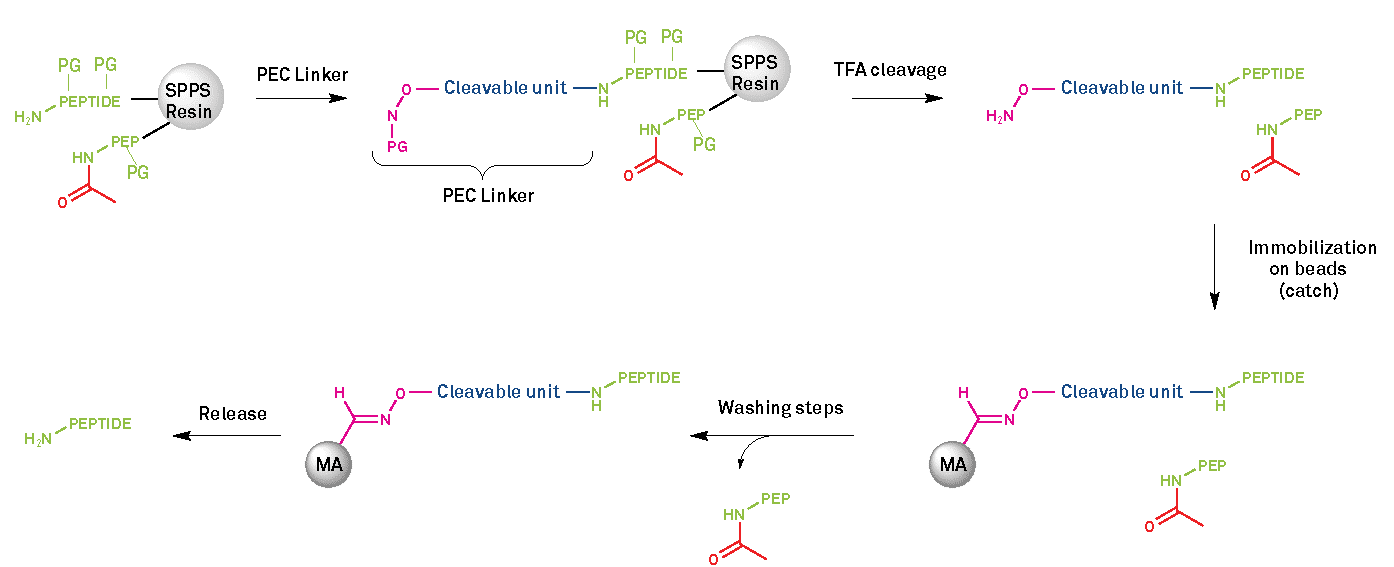
The synthesis and large-scale production of biotech peptides have historically been challenging due to their complex structures and sensitivity. However, recent innovations—such as solid-phase peptide synthesis (SPPS), recombinant DNA technologies, and improved purification techniques—have significantly enhanced yield, purity, and scalability. Automation and continuous manufacturing processes are also reducing costs and turnaround times, making peptide-based therapies more accessible to patients worldwide.
Despite these advancements, several challenges remain. The chemical and biological fragility of peptides requires careful handling during synthesis and storage. Additionally, issues like immunogenicity and rapid degradation in vivo necessitate innovative solutions like PEGylation, cyclization, and incorporation of non-natural amino acids. Overcoming these hurdles is crucial for translating laboratory-scale innovations into commercially viable products. Continuous research into novel delivery systems and stabilizing modifications will be essential for maximizing the therapeutic potential of biotech peptides on a global scale.
Regulatory Considerations for Biotech Peptide Development and Commercialization
The pathway to bringing biotech peptides from bench to bedside involves navigating a complex regulatory landscape designed to ensure safety, efficacy, and quality. Agencies such as the FDA and EMA have established specific guidelines for peptide drugs, emphasizing rigorous preclinical testing, stability assessments, and controlled manufacturing practices. Because biotech peptides are biologically derived, they often pose unique challenges related to immunogenicity and batch consistency, necessitating detailed characterization and validation processes.
Looking forward, regulatory frameworks are evolving to keep pace with technological advances, facilitating faster approvals without compromising safety standards. The emergence of personalized peptide therapies further complicates regulation, requiring adaptable pathways that balance innovation and oversight. Close collaboration between scientists, industry stakeholders, and regulators will be essential to streamline approval processes, foster innovation, and ensure that biotech peptides reach the patients who need them most. This evolving landscape ultimately aims to promote safe, effective, and accessible peptide-based treatments worldwide.
Biotech Peptides in Diagnostics – Advancements and Potential
Beyond therapeutics, biotech peptides are making significant strides in diagnostic applications, thanks to their high specificity and binding affinity for various biomolecules. They are increasingly being integrated into biosensors, imaging agents, and diagnostic assays, offering rapid, accurate, and cost-effective detection of biomarkers associated with diseases such as cancer, infectious diseases, and autoimmune conditions. For example, peptide-based sensors can detect tumor markers in blood or tissue samples with high sensitivity, enabling earlier diagnosis and better prognosis.
Looking ahead, biotech peptides hold enormous potential in developing personalized diagnostic tools that adapt to an individual’s unique molecular profile. Advances in nanotechnology, coupling peptides with nanoparticles, will further enhance the sensitivity and specificity of diagnostic devices. Additionally, the miniaturization of detection platforms and integration with smartphone technology could revolutionize point-of-care diagnostics, making disease detection faster, more accessible, and more reliable. The convergence of biotechnology and digital health promises a new era where biotech peptides will play a central role in early detection, disease monitoring, and preventive medicine.
The Role of Biotech Peptides in Personalized Medicine – A Promising Frontier
The advent of personalized medicine aims to tailor treatments to an individual’s genetic and molecular profile, and biotech peptides are positioned as key players in this transformation. Their ability to be designed with precise specificity allows for the development of custom therapies targeting specific disease pathways in individual patients. For instance, engineered peptides can be used to inhibit mutated proteins in cancer or modulate immune responses in autoimmune diseases, providing more effective and less toxic options than traditional drugs.
Furthermore, biotech peptides are integral to the development of companion diagnostics, which identify patients most likely to benefit from specific therapies. The personalized approach also necessitates adaptable synthesis and production processes, which are being refined through innovations in synthetic biology. As our understanding of genomics and proteomics deepens, the synergy between biotech peptides and personalized medicine will accelerate, leading to highly targeted treatments with improved outcomes, reduced side effects, and greater overall efficacy.
Conclusion
The evolving field of biotech peptides is revolutionizing multiple aspects of medicine, from therapeutics and diagnostics to personalized treatment strategies. Advances in synthesis, production, and regulatory pathways are overcoming previous limitations, while innovative applications in targeted therapies and diagnostics highlight their potential to address complex health challenges. As this dynamic domain continues to grow, the collaboration between scientists, clinicians, regulators, and industry stakeholders will be critical to realize the full promise of biotech peptides. Ultimately, they offer a transformative approach to healthcare—more precise, effective, and accessible—ushering in a new era of medicine grounded in biological precision and technological innovation.
peptides Canada, buy peptides online, peptide therapy Canada, Sarms Canada, research peptides Canada, BPC 157 Canada, CJC 1295 Canada, GHRP 6 Canada, MK 677 Canada, peptide injections Canada, anabolic peptides Canada, peptide supplements Canada, buy peptides Canada, peptide research Canada, online peptides Canada