support@biotechpeptides.ca
In recent years, the field of biomedical research has been revolutionized by the emergence of research peptides, small chains of amino acids that can influence biological processes at a fundamental level. As scientists delve deeper into their mechanisms and applications, these compounds are increasingly recognized for their potential to advance medicine, enhance understanding of physiological functions, and innovate therapeutic strategies. The exploration of research peptides is not just a scientific curiosity but a crucial step toward personalized medicine and targeted interventions that could transform patient outcomes across a broad spectrum of health conditions.
Research Peptides: An Introduction to Their Potential
Research peptides are short sequences of amino acids synthesized to mimic, modify, or regulate biological activities in cells and tissues. Traditionally, peptides have been used in medicine for their high specificity and low toxicity, but the discovery and development of research peptides have opened new avenues for experimental science. They serve as powerful tools for interrogating complex physiological mechanisms, from hormone signaling pathways to immune responses, offering insights that pave the way for novel therapeutic approaches. The vast potential of these molecules lies in their versatility, stability, and capacity for customization, making them invaluable in advancing biological understanding.
The potential of research peptides extends into numerous domains—from anti-aging and metabolic regulation to neurodegenerative diseases and cancer therapy. Their ability to act as signaling molecules or modulators at the cellular level enables researchers to design experiments with unparalleled precision. As a result, research peptides are increasingly integrated into academic and clinical studies, pushing the boundaries of conventional medicine and unlocking new possibilities for disease treatment and prevention. As knowledge grows, so does the hope that these tiny biological peptides could play a major role in shaping the future of health sciences.
The Science Behind Research Peptides: Mechanisms of Action

The effectiveness of research peptides is rooted in their intricate mechanisms of action, which often involve specific interactions with cellular receptors, enzymes, or gene expression pathways. Many peptides function by mimicking endogenous hormones or signaling molecules, allowing scientists to precisely modulate biological responses. This targeted approach offers a significant advantage over traditional pharmaceuticals, as it minimizes unintended side effects and enhances the specificity of experimental outcomes. Understanding these mechanisms at a molecular level leads to smarter design and more effective application of research peptides in laboratory settings.
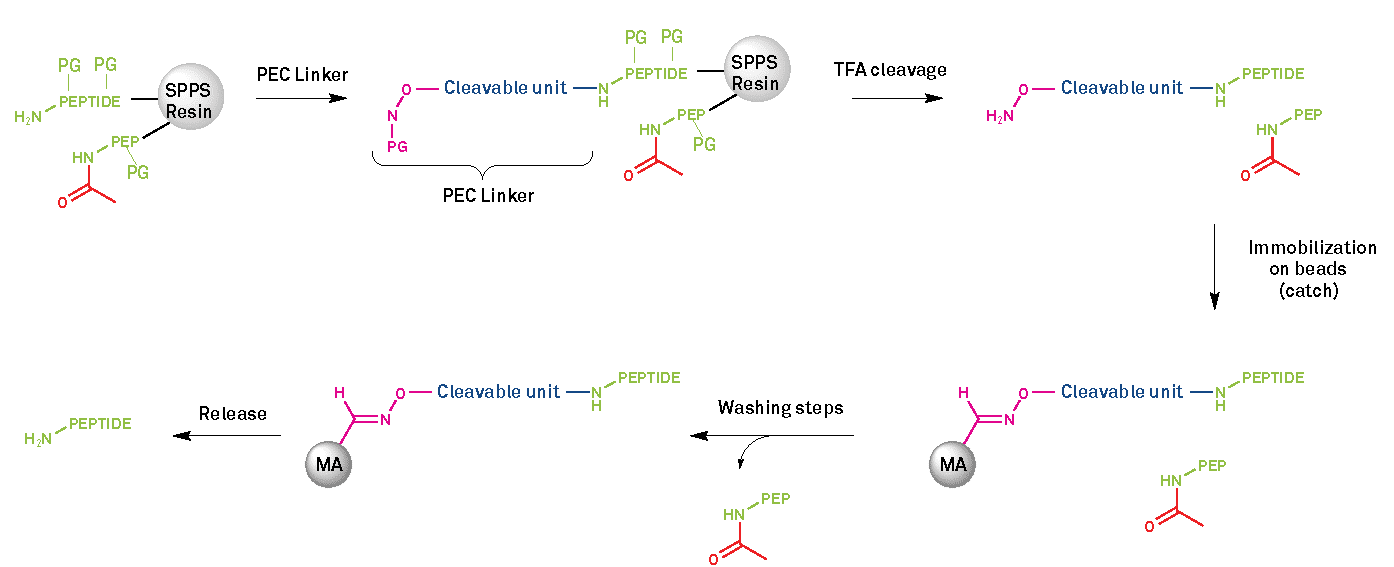
At the core of their mechanism is the ability of peptides to influence intracellular processes, such as activating or inhibiting signal transduction cascades, modulating gene transcription, or affecting protein synthesis. Advances in bioinformatics and structural biology have facilitated the design of synthetic peptides with enhanced stability and potency. Moreover, the development of delivery systems like nanoparticles or liposomes has overcome past challenges regarding bioavailability and cellular uptake. As these scientific insights deepen, we are increasingly able to harness the full potential of research peptides for both investigative and therapeutic purposes, transforming how we understand and manipulate biological systems.
Common Applications of Research Peptides in Scientific Studies
In the realm of scientific research, research peptides are utilized across a broad spectrum of applications, serving as both investigative tools and potential therapeutic agents. One prevalent use is in the study of aging, where peptides such as fibroblast growth factors or telomerase regulators help decipher cellular regeneration processes. Additionally, in neurobiology, certain peptides are employed to explore neural plasticity, memory, and neurodegeneration, providing insights into diseases like Alzheimer’s and Parkinson’s. Their high specificity allows researchers to target precise pathways, leading to more accurate and meaningful experimental results, which subsequently inform drug development.
Another significant application lies in the field of metabolic health and weight management, where peptides that influence hormone levels—such as growth hormone-releasing peptides—are used to study their effects on muscle growth, fat loss, and overall metabolism. Furthermore, research peptides are instrumental in cancer research, enabling scientists to identify markers for early detection and develop targeted therapies. Their roles extend even into the investigation of immune modulation, wound healing, and tissue regeneration. As research progresses, the versatility of peptides continues to be a driving force behind experimental innovation and the development of cutting-edge medical treatments.
Ethical Considerations and Regulatory Landscape of Research Peptides
While research peptides hold remarkable scientific promise, their adoption and application are intertwined with complex ethical and regulatory considerations. One primary concern revolves around their misuse or off-label use, especially in sports, bodybuilding, or unregulated supplement markets, raising questions about safety, fairness, and long-term health consequences. Additionally, the potential for synthetic peptides to be used without appropriate oversight or clinical validation necessitates stringent regulatory measures. Navigating the balance between fostering innovation and safeguarding public health remains a critical challenge for policymakers and researchers alike.
Regulations surrounding research peptides are often inconsistent globally, reflecting variations in legal frameworks, scientific standards, and ethical practices. Some regions restrict access due to concerns over safety and misuse, while others promote open scientific inquiry under strict laboratory conditions. Ethical considerations also extend to animal testing, human trials, and informed consent when these peptides transition from research to clinical applications. As the scientific community advances, establishing clear guidelines, quality standards, and transparent communication becomes vital for ensuring responsible development, sourcing, and utilization of research peptides, thus fostering trust and safety in this promising field.
Future Directions in Research Peptide Development and Application
The future of research peptides is poised for exciting breakthroughs driven by technological innovations, interdisciplinary collaborations, and personalized medicine trends. Advances in peptide synthesis, such as automated solid-phase synthesis and green chemistry approaches, will enable rapid and sustainable production of highly specific molecules tailored to individual needs. Moreover, integration with emerging fields like genomics, proteomics, and nanotechnology promises to refine the targeting, delivery, and efficacy of peptide-based research tools and therapies. These developments will not only expand the scope of scientific inquiry but also accelerate the translation of laboratory findings into real-world clinical interventions.
Looking ahead, a key focus will be on enhancing the stability, bioavailability, and safety profiles of research peptides through formulation innovations and novel delivery systems. The potential for peptide-based therapeutics to address complex diseases like cancer, neurodegeneration, and metabolic disorders is vast, demanding a concerted effort across research disciplines. Additionally, as ethical frameworks evolve, responsible usage and regulation will play crucial roles in ensuring these molecules are developed and applied ethically, ultimately improving patient outcomes while fostering scientific integrity. The horizon of research peptides is broad, holding promise for groundbreaking discoveries that could reshape medicine as we know it.
Navigating the Complexities of Research Peptide Procurement and Quality Control
Accessing high-quality research peptides is a critical step for scientists committed to reliable and reproducible results, yet the landscape of procurement can be fraught with complexities. The proliferation of online vendors and companies claiming to provide research-grade peptides creates a need for rigorous scrutiny regarding authenticity, purity, and origin. Researchers must navigate this landscape by understanding chemical specifications, batch testing, and supplier reputability to avoid compromised samples that could jeopardize experimental integrity. Developing a set of best practices for procurement, including requesting certificates of analysis and peer recommendations, is essential to maintaining scientific standards.
Quality control (QC) procedures are equally vital to ensure the integrity of research peptides. Techniques such as high-performance liquid chromatography (HPLC), mass spectrometry, and biological assays help verify purity and activity, thereby reducing variability and experimental errors. Standardized protocols for storage, handling, and documentation further uphold sample integrity over time. Institutional policies and collaborations with reputable manufacturers can help establish reliable supply chains and QC measures. Emphasizing transparency, traceability, and rigorous testing in procurement and QC processes is fundamental for maintaining scientific credibility, driving meaningful discoveries, and ultimately translating research findings into safe clinical innovations.
Conclusion
The exploration of research peptides offers a promising frontier for scientific discovery, with applications spanning biological research, medicine, and therapeutics. Their mechanisms of action provide precise tools for understanding complex cellular pathways, while their versatile applications enable advancements across disciplines such as aging, neurodegeneration, cancer, and metabolic health. Ethical and regulatory considerations remain vital to ensuring their responsible use, as the field evolves with technological innovations aimed at improving stability, delivery, and efficacy. Navigating the complexities of procurement and quality control is crucial for maintaining research integrity and advancing safe, effective applications. As this field continues to expand, collaborative efforts in regulation, innovation, and ethical oversight will be essential to unlock the full potential of research peptides and deliver impactful health solutions for the future.
peptides Canada, buy peptides online, peptide therapy Canada, Sarms Canada, research peptides Canada, BPC 157 Canada, CJC 1295 Canada, GHRP 6 Canada, MK 677 Canada, peptide injections Canada, anabolic peptides Canada, peptide supplements Canada, buy peptides Canada, peptide research Canada, online peptides Canada